About Air Jet Ejector
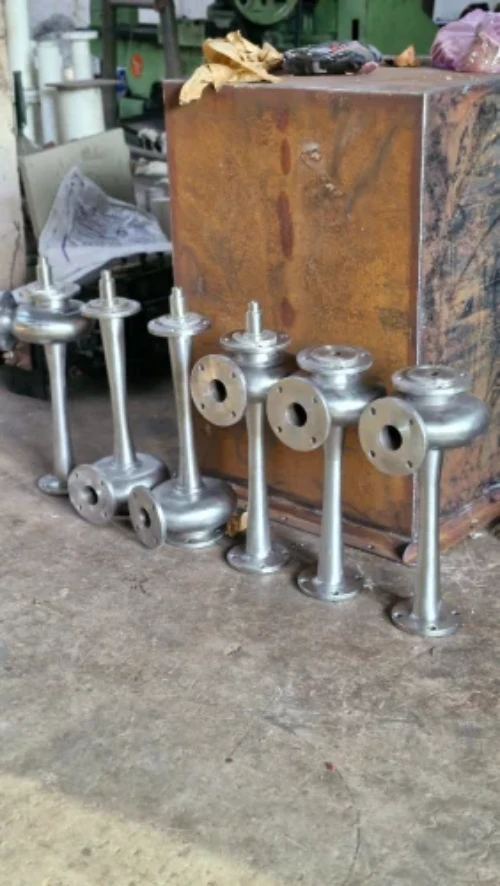
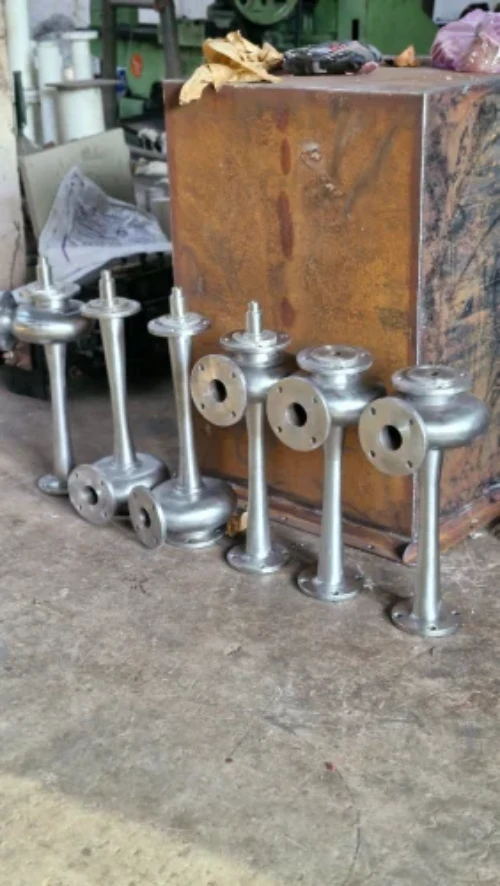
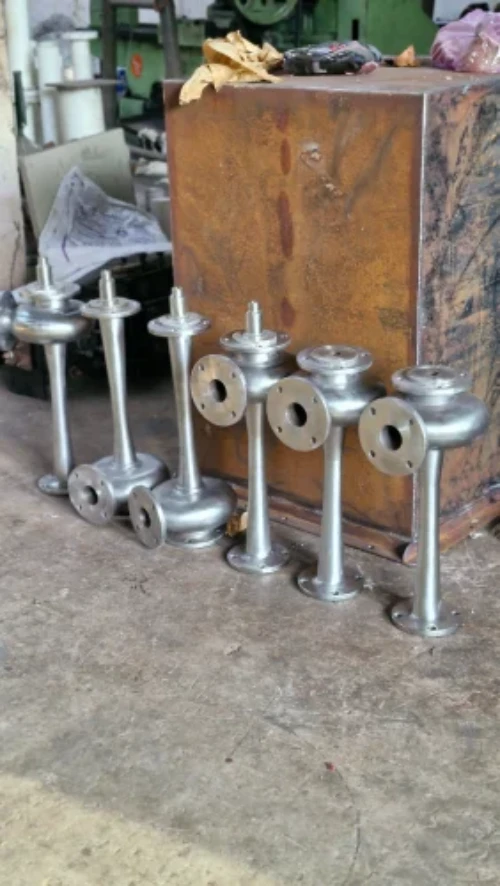
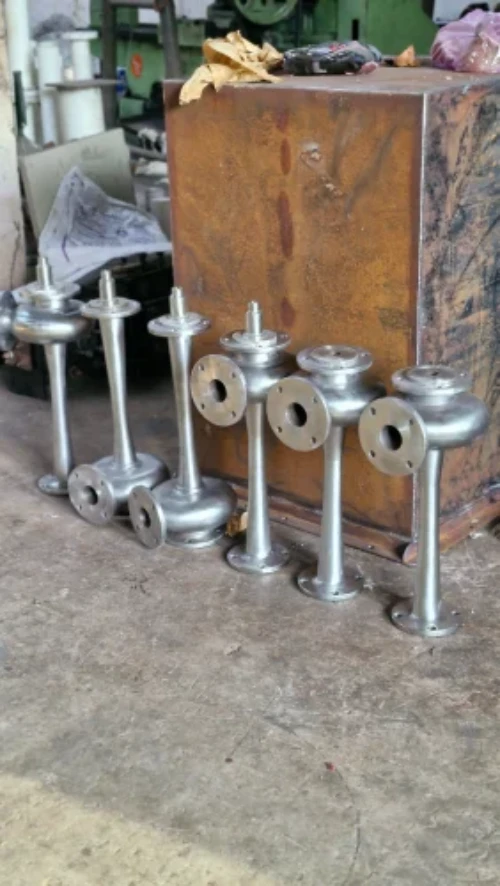
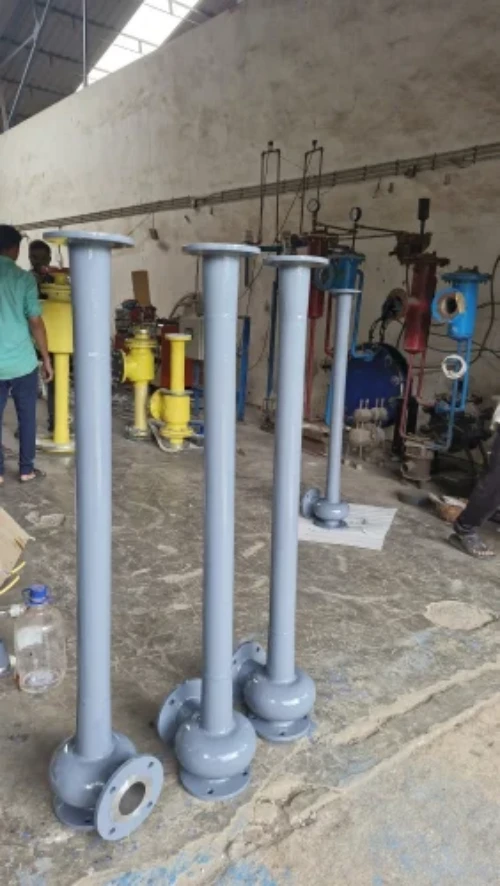
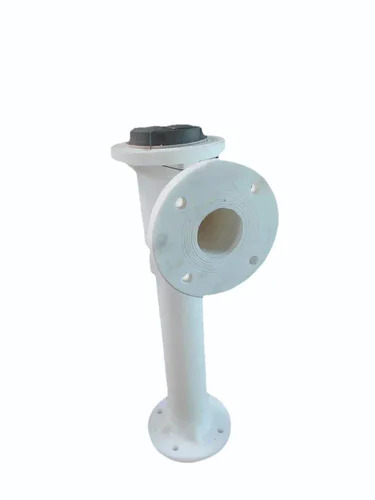
An Air Ejector is a highly efficient pneumatic device used for creating vacuum, conveying gases, removing fumes, and handling air or vapor extraction applications in industrial processes. It operates on the venturi principle, where compressed air or steam passes through a nozzle at high velocity to generate suction without any moving parts, ensuring reliable and maintenance-free performance. Air ejectors are widely used in chemical industries, pharmaceutical plants, vacuum systems, wastewater treatment plants, power plants, and process industries for vacuum generation, gas transfer, ventilation, and exhausting hazardous fumes.
Versatile Mounting and Connection OptionsWith flexible installation orientations-vertical or horizontal-and a variety of connection types (flanged, threaded, or customized), the Air Jet Ejector ensures seamless integration into new or existing systems. This adaptability simplifies installation and upgrade processes for users with diverse operational setups.
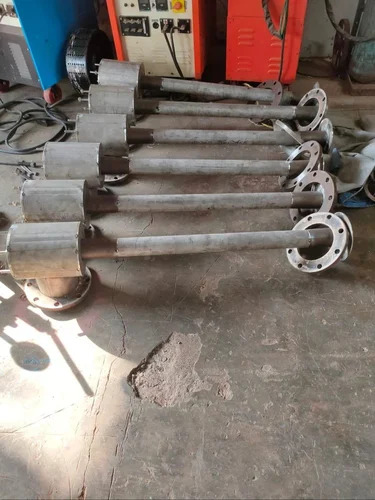
Exceptional Durability and Minimal MaintenanceEngineered with shot blasted or corrosion-resistant finishes, the ejector withstands aggressive environments. Using select alloys and specialized coatings, it maintains high corrosion resistance, while its design eliminates moving parts. This not only delivers longevity but also reduces ongoing maintenance requirements for operators.
Customizable for Wide-Ranging ApplicationsEvery Air Jet Ejector can be tailored to the specific needs of a project, with options to modify orifice sizes, materials, dimensions, and performance parameters such as flow rate, pressure, and vacuum level. Suitable for both pilot-scale and industrial-scale applications, it evolves alongside your operational demands.
FAQ's of Air Jet Ejector:
Q: How does the Air Jet Ejector operate without electrical power?
A: The Air Jet Ejector utilizes the Venturi effect, operating solely on compressed air supplied at 2 to 7 bar (29-101 psi). It does not require external electrical power, making it ideal for environments where electricity is unavailable or undesirable.
Q: What materials and finishes are available for corrosion resistance?
A: Units can be fabricated from stainless steel, mild steel, cast iron, or other specified alloys. Finishes include shot blasted surfaces or specialized corrosion-resistant paints, and custom coatings can be applied to resist aggressive media upon request.
Q: Where can the Air Jet Ejector be mounted, and what are the orientation options?
A: Installation is highly flexible-the ejector can be mounted vertically or horizontally, on the floor, in-line with piping, or per custom requirements, ensuring compatibility with various system layouts and spatial constraints.
Q: What customization options are offered for different applications?
A: Each ejector can be tailored in terms of orifice size, dimensions, materials, inlet/outlet type (flanged or threaded), working pressure and temperature, flow rate, and head size. This ensures optimal performance for unique processes across industries.
Q: How does the Air Jet Ejector simplify maintenance and reduce downtime?
A: With a single-stage, no moving parts construction, the ejector requires minimal maintenance. Its robust gasket seals (PTFE, rubber, or metal) and corrosion-resistant body extend service intervals and lower the risk of mechanical failure.
Q: What accessories and control systems are available for these ejectors?
A: Options include silencers for noise reduction, mounting brackets for easy installation, and remote actuators for automated air supply control. Manual or automated air supply control systems can be incorporated as needed.
Q: What are the key benefits of using an Air Jet Ejector in industrial applications?
A: Benefits include rapid vacuum generation, maintenance-free operation, adaptability to harsh environments, customizable performance parameters, and reliable functioning without electrical power, making it an energy-efficient and robust solution for demanding operations.






 Send Inquiry


 Send Inquiry